Positioning
Weebly is a simple website builder aimed at beginners and small personal or business websites.
Strengths
Very easy setup and straightforward interface for basic websites.
Limitations
Limited design flexibility and smaller ecosystem compared to major competitors.
Best for
Users needing a simple, low-maintenance website builder.
Verdict: 🔵 Trusted
Positioning
Shopify is an e-commerce website builder focused on creating and managing online stores.
Strengths
Strong checkout system, scalable e-commerce infrastructure, and extensive app ecosystem.
Limitations
Less suitable for non-ecommerce websites and transaction fees may apply depending on setup.
Best for
Businesses and entrepreneurs building online stores.
Verdict: 🟢 Recommended
Positioning
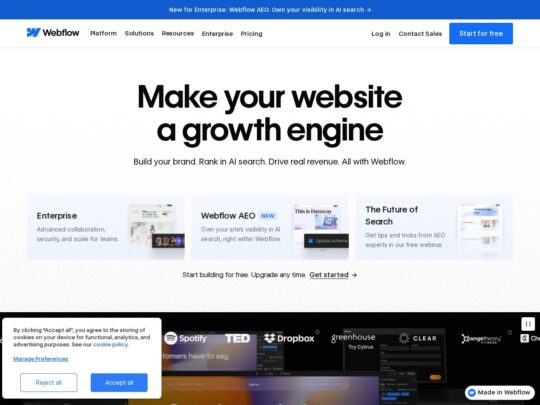
Webflow is a visual web design platform that combines website building with advanced front-end control.
Strengths
High design flexibility, powerful CMS capabilities, and professional-grade output.
Limitations
Steeper learning curve than traditional drag-and-drop builders.
Best for
Designers and agencies needing full creative control without traditional coding.
Verdict: 🟢 Recommended
Positioning
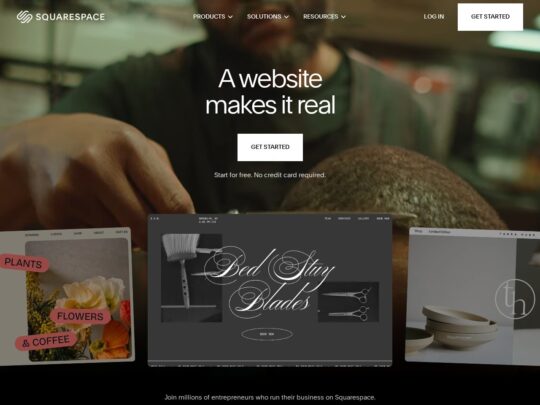
Squarespace is a design-focused website builder known for its polished templates and all-in-one platform.
Strengths
High-quality design templates and strong branding-focused website tools.
Limitations
Less flexible outside its template system and limited advanced customisation.
Best for
Creators, portfolios, and small businesses prioritising visual design quality.
Verdict: 🟢 Recommended
Positioning
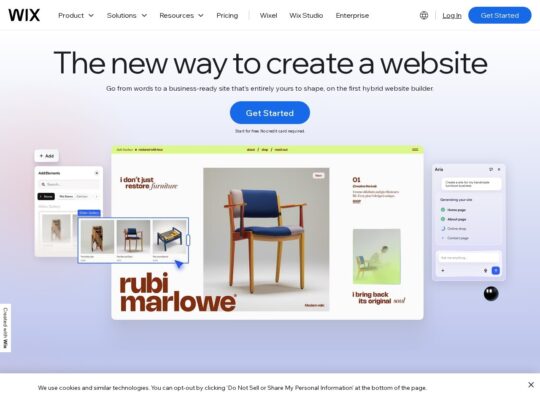
Wix is a fully hosted website builder offering drag-and-drop design tools for creating websites without coding.
Strengths
Very easy to use, large template library, and all-in-one hosting and site management.
Limitations
Less flexible for advanced custom development compared to developer-focused platforms.
Best for
Beginners and small businesses wanting a fast, visual way to build a website.
Verdict: 🟢 Recommended
Positioning
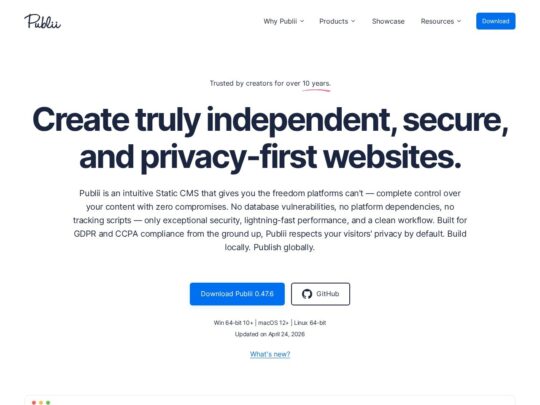
Publii is a desktop-based static site CMS that generates fast, pre-rendered websites for deployment to standard hosting.
Strengths
Very fast performance, offline editing, and simple publishing workflow without server-side complexity.
Limitations
Limited dynamic functionality compared to traditional CMS platforms and smaller ecosystem.
Best for
Users who want a simple, privacy-friendly way to build static websites without managing servers or databases.
Verdict: 🟢 Recommended
Positioning
Strapi is a headless CMS designed for API-driven websites and applications.
Strengths
Flexible API-first architecture and strong developer control over content structure.
Limitations
Requires development skills and external frontend setup.
Best for
Developers building modern web apps and decoupled frontend systems.
Verdict: 🔵 Trusted
Positioning
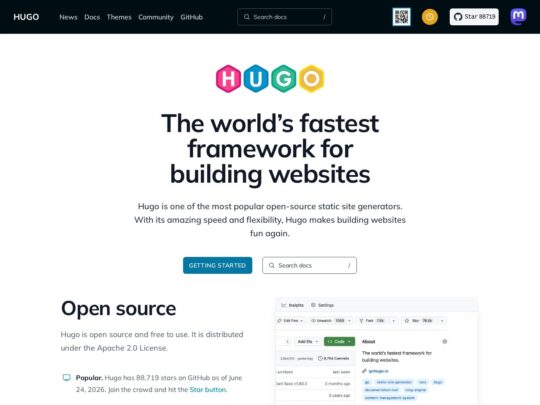
Hugo is a high-performance static site generator used for building fast, scalable websites.
Strengths
Extremely fast build times and strong flexibility for structured content sites.
Limitations
Requires developer setup and lacks a visual editing interface.
Best for
Technical users building documentation, blogs, or content-heavy static sites.
Verdict: 🔵 Trusted
Positioning
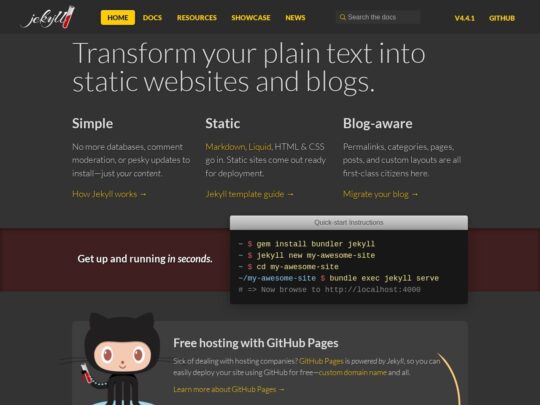
Jekyll is a static site generator that builds websites from templates and Markdown files.
Strengths
Very fast sites, simple hosting requirements, and strong integration with Git-based workflows.
Limitations
Not a traditional CMS and requires technical knowledge to manage effectively.
Best for
Developers building static blogs or documentation sites.
Verdict: 🔵 Trusted
Positioning
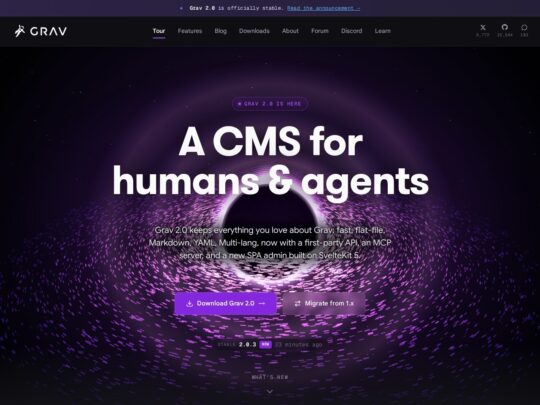
Grav is a modern flat-file CMS designed for simplicity and speed without requiring a database.
Strengths
Fast performance, lightweight architecture, and easy deployment on standard hosting.
Limitations
Smaller ecosystem and less mainstream adoption than WordPress.
Best for
Developers who want a fast, file-based CMS without database complexity.
Verdict: 🔵 Trusted
Copyright © 2026 HostingRoundup.com